Key Takeaways
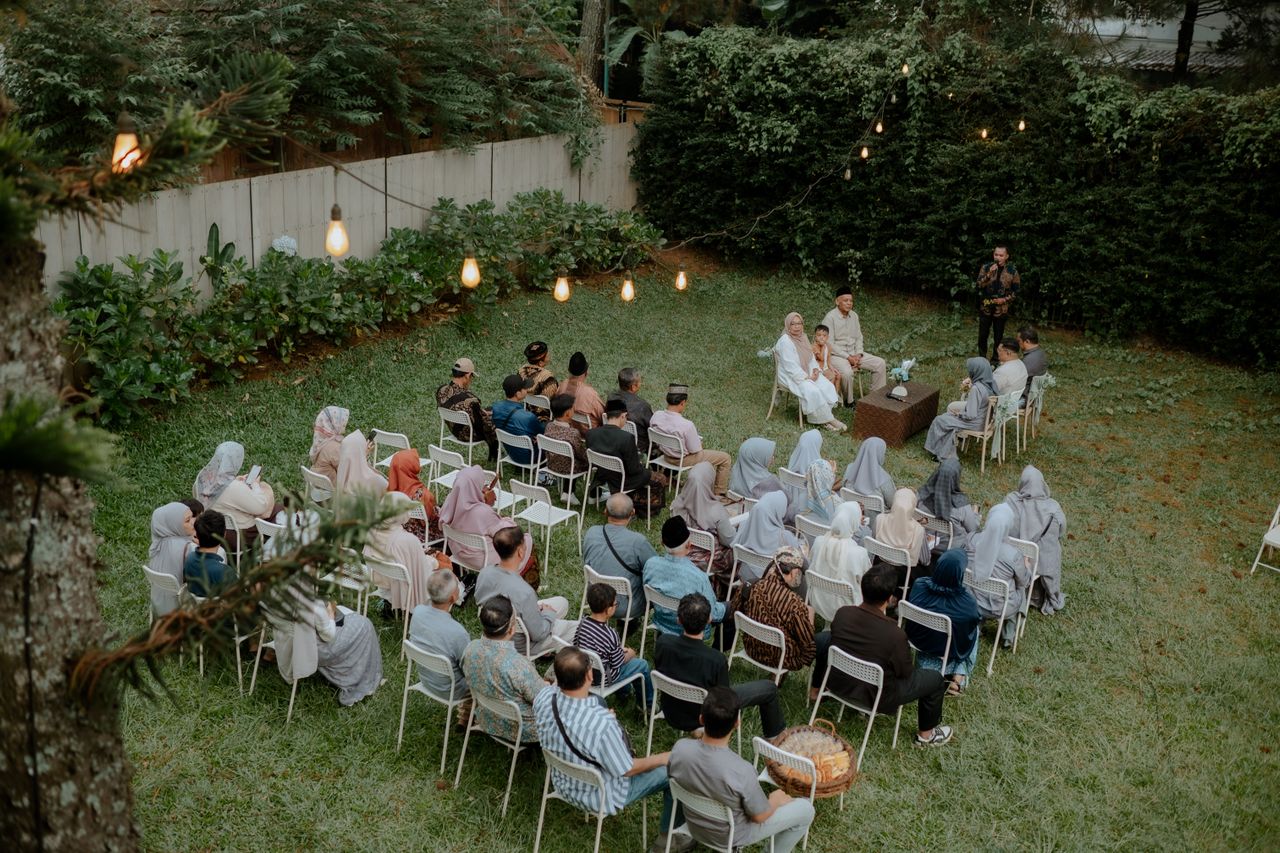
- Prepare the backyard before decorating by cleaning the space, maintaining the lawn, clearing walkways, and checking outdoor furniture.
- Create a simple ceremony area using the existing landscape, greenery, flowers, or a modest backdrop.
- Keep decorations coordinated and understated so they complement the natural surroundings rather than overwhelm them.
- Plan seating and dining areas around guest comfort, accessibility, movement, and convenient food service.
- Use layered outdoor lighting such as string lights, lanterns, and table lighting to improve both atmosphere and visibility.
- Prioritize guest comfort by providing shade, refreshments, weather protection, and accessible pathways.
- Control costs by using existing furniture and landscaping, borrowing or renting necessary items, and prioritizing essential elements over decorative extras.
Planning a wedding at home can create an intimate celebration that feels personal, comfortable, and meaningful. A backyard provides a flexible setting where couples can choose the décor, seating, food, lighting, and overall atmosphere without having to follow the layout of a traditional venue. The space can be transformed with simple details rather than expensive decorations or elaborate installations. Whether the guest list includes close family and friends or a larger group, thoughtful planning can help make the celebration feel organized while preserving the relaxed character of an outdoor gathering. With the right preparation, an ordinary backyard can become a beautiful setting for a memorable wedding.
How Can You Prepare the Backyard for the Celebration?
The first step is to look at the backyard as a wedding venue rather than simply as an outdoor area. Walk through the space and consider where guests will enter, where the ceremony will take place, and how people will move between different areas. Cleaning, trimming overgrown plants, removing unnecessary furniture, and repairing obvious problems can make a substantial difference before any decorations are added. Think about the natural features already available and use them to your advantage. A mature tree, garden bed, patio, fence, or attractive section of lawn can become part of the wedding design rather than something that needs to be covered or changed.
Before decorating, consider these practical preparations:
- Clean the outdoor area: Remove clutter, fallen branches, excess leaves, and items that could interfere with guests.
- Maintain the lawn and plants: Mow the grass, trim shrubs, and tidy garden beds several days before the event.
- Inspect walkways: Make sure paths are clear, stable, and easy for guests to navigate.
- Create defined areas: Decide where the ceremony, dining, photographs, and entertainment will happen.
- Check outdoor furniture: Repair, clean, or replace furniture that will be used by guests.
- Plan for weather: Identify sheltered areas where guests can move if conditions change.
Taking care of these basics first creates a clean foundation for the rest of the wedding setup.
What Is the Best Way to Create a Simple Ceremony Area?
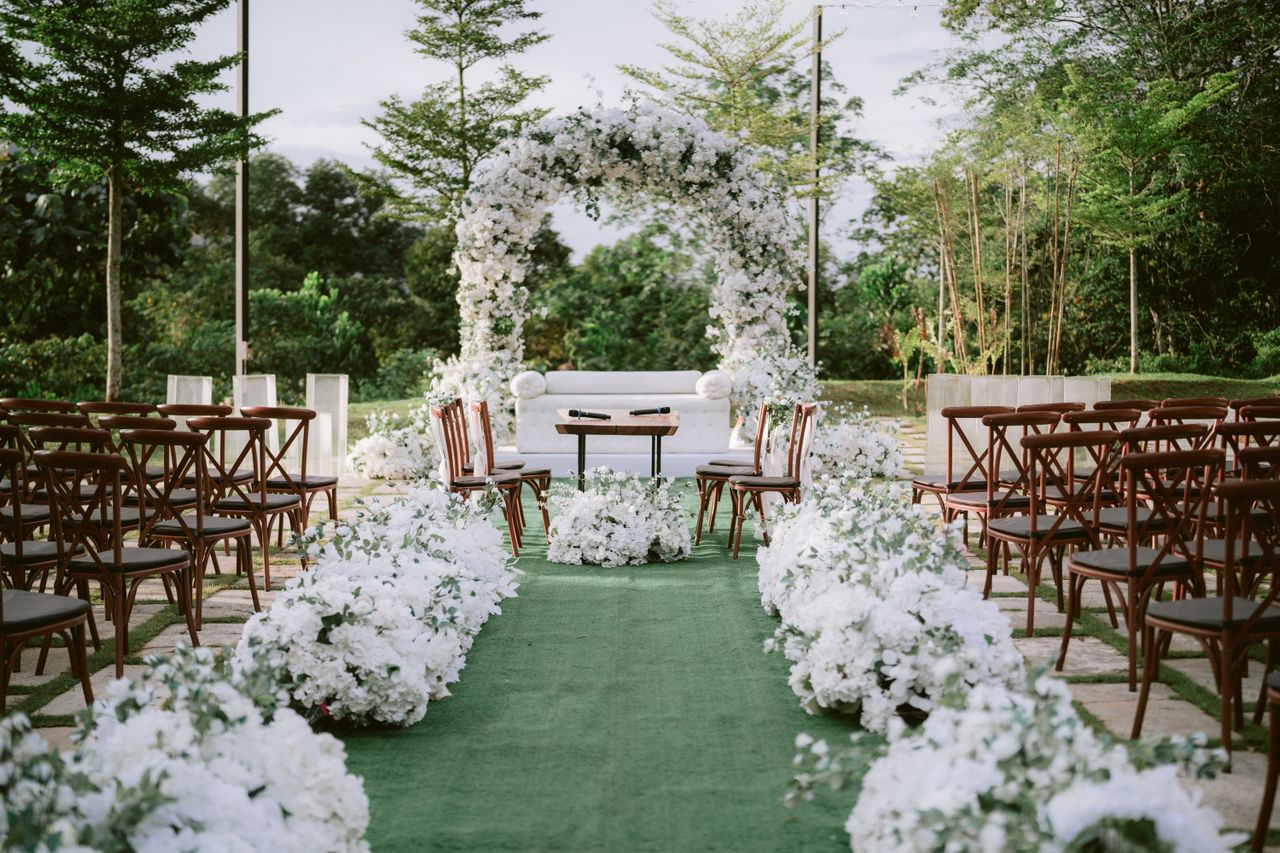
A backyard ceremony does not need an elaborate stage or expensive structure to feel special. The ceremony area can be as simple as a decorated section of lawn, a patio, or a space beneath a tree. The goal is to establish a clear focal point where the couple and officiant can stand while ensuring that guests have a comfortable view. The existing landscape can provide much of the visual character. Instead of covering the entire area with decorations, choose a few details that complement the setting and create a recognizable ceremony backdrop. Keeping the arrangement simple can also make the space feel more natural and less like a temporary event installation.
Consider using:
- A simple floral arrangement or greenery as a backdrop
- Wooden chairs arranged in neat rows
- A small arch decorated with flowers or fabric
- Potted plants placed around the ceremony area
- A pathway marked with petals or lanterns
- A meaningful garden feature as part of the backdrop
The ceremony location should also leave enough room for the couple, officiant, and any members of the wedding party to move comfortably.
If the backyard has an attractive natural feature, position the ceremony so that it becomes part of the background. This can reduce the need for additional decoration while creating photographs with a genuine outdoor character.
How Can You Decorate Without Making the Backyard Look Overdone?
Backyard weddings often work best when decorations enhance the existing environment rather than completely transforming it. Choose a simple color palette and repeat it across flowers, table settings, fabrics, and small decorative details. This creates visual consistency without requiring large quantities of matching decorations. Natural materials can also complement an outdoor setting. Wood, greenery, woven textures, simple glass containers, and neutral fabrics can create a relaxed appearance while allowing the garden itself to remain part of the design.
Some easy decoration ideas include:
- Potted plants: Use plants that can remain in the garden after the event.
- Simple table flowers: Small arrangements can provide color without overwhelming dining tables.
- Fabric accents: Table runners or lightweight fabrics can add softness to seating and dining areas.
- Personal signs: Use simple signs to identify the ceremony, dining, or guest areas.
- Decorative containers: Repurpose attractive jars, bottles, or containers as flower holders.
- Family photographs: Displaying meaningful photographs can add a personal element to the celebration.
Avoid decorating every available surface. Leaving some areas visually open can make the backyard feel spacious and allow the natural surroundings to contribute to the overall atmosphere.
What Seating and Dining Arrangements Work Best?
Seating should be planned around both comfort and movement. Guests need enough room to sit, stand, eat, talk, and move between different areas without feeling crowded. For a smaller wedding, tables arranged across a patio or lawn can create an informal dining environment. Longer tables can encourage conversation among guests, while smaller tables may provide greater flexibility for different groups. If the celebration includes a ceremony followed by a reception in the same area, consider how seating can be rearranged without creating unnecessary work during the event.
When planning seating, think about:
- The number of guests expected
- Available tables and chairs
- Walking space between furniture
- Shade and protection from weather
- Seating for older guests or anyone with mobility needs
- The location of food and beverage stations
- How guests will move from the ceremony to the reception
Dining does not necessarily require a formal plated meal. A buffet, family-style meal, or carefully arranged food station can work well for a relaxed backyard celebration. Keep food service organized so that guests do not have to cross the main ceremony or entertainment area to reach refreshments.
For an especially informal gathering, a combination of dining tables and comfortable lounge seating can create different areas for eating and conversation.
How Can Lighting Make the Celebration Feel More Special?
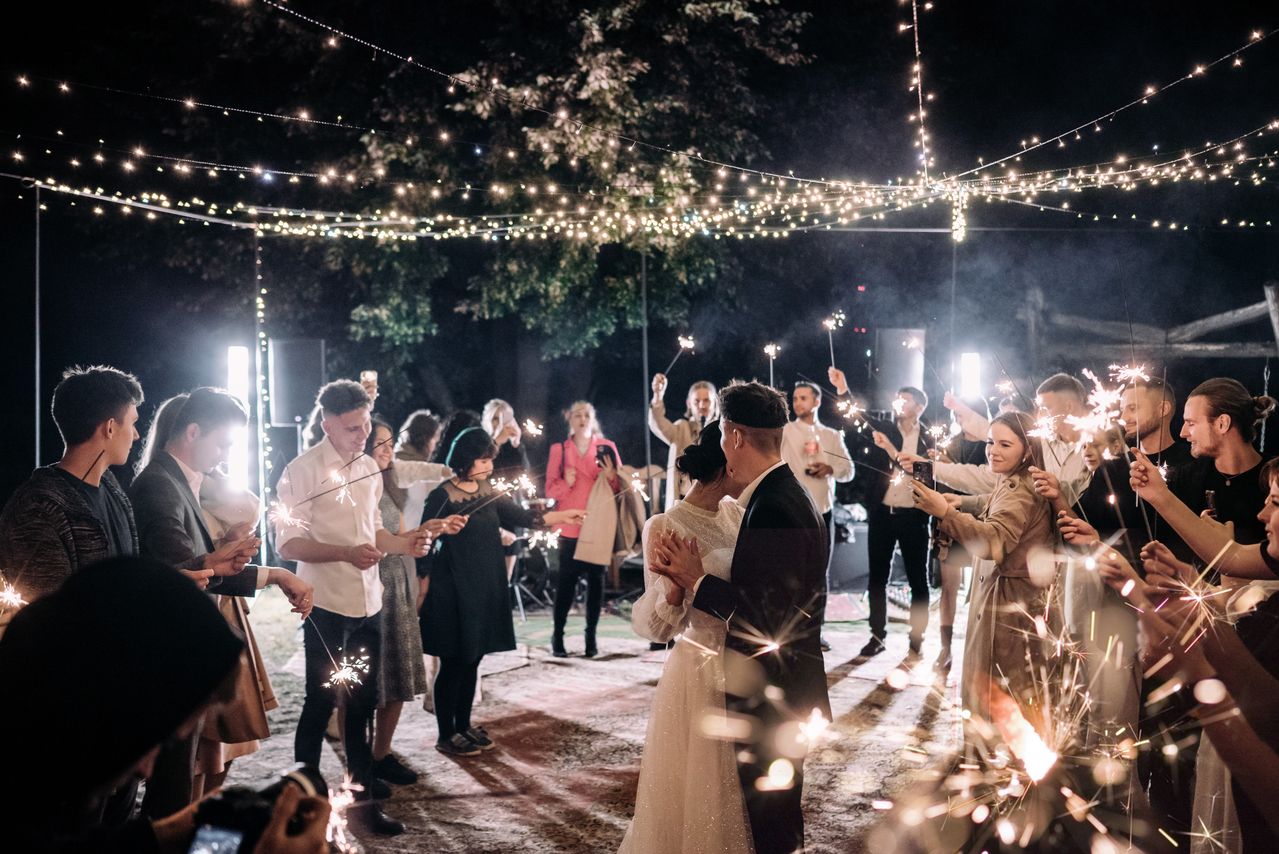
Lighting becomes increasingly important as an outdoor celebration continues into the evening. Good lighting should make the backyard attractive while also helping guests move safely between different areas. Instead of using bright lighting everywhere, combine several softer sources at different heights. String lights can define dining or seating areas, while lanterns can illuminate pathways. Existing porch or exterior lighting can provide practical illumination around entrances and steps.
Simple options include:
- String lights across a patio or between suitable structures
- Lanterns along walkways
- Battery-operated lights on dining tables
- Small lights around garden areas
- Candles or enclosed decorative lights for table settings
- Existing outdoor fixtures near entrances and stairs
Think about where people will actually walk after sunset. Steps, changes in ground level, pathways, and entrances deserve particular attention because attractive lighting should also support visibility.
For a summer wedding at home, evening lighting can also help create a transition from the daytime ceremony to a more relaxed reception atmosphere. As natural light fades, the lighting design can become part of the overall décor without requiring complicated equipment.
What Food and Drink Options Are Suitable for a Backyard Wedding?
Food planning should reflect the size and style of the celebration. A backyard wedding can support a range of approaches, from a catered meal to a family-style gathering prepared with help from relatives and friends. The important consideration is creating a practical serving arrangement that keeps food protected and allows guests to eat comfortably. If food will remain outdoors for an extended period, appropriate storage and serving arrangements should be planned according to the type of food being served.
A few practical options include:
- Buffet-style meals
- Family-style dishes placed on dining tables
- Catered food stations
- Sandwiches, salads, and other casual selections
- A dessert table with several small options
- A simple beverage station
Keep beverages separate from the main food area if space allows. This prevents people who only want a drink from creating congestion around the meal.
A backyard celebration can also make desserts more personal. Instead of a large formal dessert display, couples can offer a small cake alongside favorite desserts, pastries, fruit, or homemade treats.
Remember to provide enough serving utensils, plates, cups, napkins, and waste containers. These small logistical details can make a significant difference during the reception.
How Can You Make the Wedding Comfortable for Guests?
Guest comfort deserves as much attention as decorations. Outdoor celebrations expose guests to conditions that would normally be controlled inside a venue, including heat, sunlight, insects, wind, and unexpected changes in weather. Planning for these conditions in advance allows everyone to enjoy the celebration rather than focusing on discomfort.
Provide shaded areas wherever possible, particularly if the ceremony or reception takes place during the warmer part of the day. Umbrellas, covered patios, shade structures, or naturally shaded sections of the yard can provide useful relief. Seating should also be positioned so that guests are not required to remain in direct sunlight for long periods.
Other useful considerations include:
- Provide fans or other practical cooling options when appropriate.
- Keep drinking water easily accessible.
- Offer blankets or additional coverings if the evening may become cool.
- Keep insect-control measures in mind when appropriate for the setting.
- Provide clearly accessible bathrooms.
- Make pathways easy to identify and navigate.
- Consider guests with mobility limitations when arranging the yard.
Comfort planning is particularly important when children, older relatives, or guests with specific accessibility needs will attend. A beautiful setting is much more successful when everyone can use it comfortably.
What Are Some Simple Ways to Personalize the Celebration?
One of the greatest advantages of celebrating at home is the opportunity to incorporate personal details that may not be possible at a conventional venue. Instead of purchasing large amounts of generic wedding décor, use meaningful objects, photographs, family traditions, or details connected to the couple’s story.
Personal touches can include:
- Family photographs displayed near the reception area
- Favorite flowers incorporated into table arrangements
- Handwritten notes for guests
- A memory table featuring meaningful objects
- Homemade desserts or family recipes
- A playlist containing songs important to the couple
- Personalized table cards
- Garden areas planted or decorated with meaningful flowers
The backyard itself may already contain memories. A favorite tree, garden, patio, or seating area can become part of the celebration because it represents the home and the life being shared there.
Personalization does not need to mean creating elaborate decorations. A few carefully chosen details can feel more meaningful than dozens of purchased items. The objective is to make guests feel that they are attending a celebration created specifically for the couple rather than entering a generic event space.
How Can You Keep a Backyard Wedding Affordable?
A backyard wedding can reduce venue-related expenses, but it still requires careful budgeting. Costs can quickly increase when couples begin adding rentals, decorations, catering, entertainment, lighting, furniture, and temporary structures. Creating a budget before purchasing anything makes it easier to distinguish between necessities and optional additions.
Start by identifying the elements that have the greatest effect on the guest experience. Food, seating, shelter, lighting, and bathroom access may deserve priority over decorative extras. Use existing furniture and outdoor features whenever they are suitable and safe.
Ways to manage costs include:
- Reuse existing outdoor furniture after cleaning it.
- Choose seasonal flowers or plants that fit the existing landscape.
- Use simple table decorations instead of elaborate arrangements.
- Borrow suitable items from family and friends.
- Rent only equipment that is genuinely necessary.
- Use digital invitations where appropriate.
- Choose a manageable guest list.
- Repurpose ceremony decorations for the reception.
DIY projects can also be useful, but only when they genuinely save money without creating excessive stress. If a project requires specialized equipment or considerable time, renting or hiring help may ultimately be more practical.
How Should You Plan for Weather and Unexpected Problems?
Outdoor celebrations always involve some uncertainty, so a backup plan should be part of the original planning process. Even when the weather forecast looks favorable, conditions can change. A practical backup does not necessarily require creating an entirely separate wedding setup. It can simply identify where guests will go and how essential activities will continue if outdoor conditions become uncomfortable.
Consider the following before the event:
- Identify a sheltered area for guests.
- Decide whether a tent or temporary covering is necessary.
- Protect food and decorations from wind.
- Keep towels or cleaning supplies available after unexpected rain.
- Secure lightweight decorations so they do not move easily.
- Have an alternative location for important activities.
- Communicate weather-related changes with key helpers.
The backup plan should be simple enough to implement quickly. Make sure the people responsible for setting up, serving food, and managing guests understand what they should do if conditions change.
Planning for unexpected situations does not make the celebration less relaxed. Instead, it gives the couple greater confidence that a minor weather problem will not disrupt the entire day.
What Should You Do After the Celebration?
Planning the end of the event is just as important as preparing for the beginning. A backyard wedding can create considerable cleanup, especially when food, decorations, seating, and temporary equipment have been used across the property. Decide in advance who will handle cleanup and when rented items need to be returned. This prevents the couple from having to manage every task immediately after the celebration.
Before the wedding, prepare clearly labeled containers or designated areas for:
- Recyclable materials
- General waste
- Decorations to keep
- Items belonging to guests
- Rental equipment
- Leftover food
Ask trusted family members or friends to help with cleanup so the couple can enjoy the end of the celebration without immediately focusing on household tasks.
After everything is removed, inspect the lawn, plants, pathways, patio, and other outdoor areas for damage. Addressing small problems promptly can help return the backyard to normal.
Conclusion
A backyard can provide a meaningful setting for a wedding without requiring an elaborate transformation. Careful preparation, practical seating, simple decorations, thoughtful lighting, comfortable dining areas, and weather planning can turn an ordinary outdoor space into a welcoming celebration.
The best approach is to work with the backyard rather than trying to completely change it. Use existing landscaping, furniture, and natural features where possible, then add personal details that reflect the couple’s style and relationships.
Simple planning can also help control costs. Prioritizing guest comfort, food, seating, safety, and practical arrangements before decorative extras allows the celebration to remain enjoyable without becoming unnecessarily complicated. With thoughtful preparation and a focus on meaningful details, a backyard wedding can feel personal, relaxed, and memorable for everyone involved.