
A truly personal style doesn’t come from a bottomless closet or a designer budget. It comes from knowing what flatters you, what makes you feel confident, and how to source those pieces creatively. If your funds have tightened but your desire to look polished hasn’t, there are smarter, more sustainable ways to build a look that feels unmistakably yours. This guide walks through practical, budget-friendly strategies for developing a signature style without overspending.
Define Your Personal Style Before You Shop
Before spending a single dollar, take time to identify the colors, silhouettes, and details that consistently make you feel your best. Pull inspiration from old photos of outfits you loved, magazine clippings, or social media saves, and look for patterns in what keeps catching your eye. Having a clear point of view prevents impulse purchases that don’t actually serve your wardrobe goals. This clarity becomes your filter for every future shopping decision, whether you’re browsing online or in person.
Once you know your style pillars, write them down somewhere you’ll actually reference, like a notes app or a small mood board. This keeps you honest when tempting trends pop up that don’t align with your aesthetic. A defined style also makes shopping faster, since you can skip entire sections of a store that don’t match your vision.
- List three to five words that describe your ideal look, such as classic, edgy, or relaxed
- Identify two or three colors you wear most often and feel best in
- Note silhouettes that consistently fit your body comfortably
- Save images of outfits you admire to spot recurring themes
Build a Capsule Wardrobe Around Key Pieces
A capsule wardrobe focuses on a small number of versatile items that mix and match easily, which stretches your budget much further than buying trend pieces that only work with one outfit. The math works in your favor: 20-30 well-chosen pieces can generate over 50 distinct outfits, while a closet full of one-off trend buys often leaves half your wardrobe untouched.
Start with neutral basics like a well-fitted blazer, a classic pair of denim, a trench or structured coat, and a couple of quality tops in versatile colors like white, black, or navy. These foundational pieces should be the highest-quality items you can afford, since they’ll be worn dozens of times a season and need to hold their shape and color through repeated wear.
Once your basics are solid, add two or three statement pieces that reflect your personality — a bold-print scarf, a distinctive handbag, a colorful pair of shoes, or a unique jacket. These are the pieces that make your look feel personal rather than generic, and because you’re only buying a few, you can justify spending a bit more on something truly well-made.
This approach reduces decision fatigue and ensures nearly everything in your closet actually gets worn, since every piece is chosen to coordinate with several others rather than standing alone. It also makes packing for travel or planning outfits for the week far simpler, because you’re choosing from a curated set rather than sifting through clutter.
Over time, you’ll naturally spend less because you’re not constantly replacing impulse buys that didn’t work out. A useful practice is the one-in-one-out rule: before adding anything new, ask whether it pairs with at least three existing pieces, and retire something that no longer earns its place.
The key to a successful capsule is ruthless honesty about what you actually wear. Pull everything out of your closet and set aside anything that hasn’t been touched in six months, then evaluate why. Was it fit, color, fabric, comfort, or simply that it never matched anything else you own?
Sort the discards into three piles: alter, sell or donate, and toss. A blazer that’s too big might just need $15 of tailoring to become wearable again, while a shirt in a color you never reach for is better off funding your next purchase through a consignment app like Poshmark or ThredUp.
This process often reveals gaps in your wardrobe that are worth filling strategically rather than randomly. Maybe you own six going-out tops but no neutral bottoms to pair them with, or plenty of dresses but nothing versatile enough for both work and weekend wear.
Make a short list of these true gaps, ranked by how often you’d realistically use each item. Aim for pieces that can each pair with at least three other things you already own, and hold that as your standard before buying anything new.
Shop Secondhand for Unique and Affordable Finds

One of the most effective ways to stretch a shrinking budget is to buy second hand clothing instead of always purchasing new. Thrift stores, consignment shops, and online resale platforms like ThredUp, Poshmark, and Depop often carry gently used designer or well-made pieces at a fraction of retail price—sometimes 50-90% off original tags. Estate sales and vintage boutiques are also worth exploring, since they tend to stock era-specific pieces with construction quality that’s hard to find in fast fashion today.
Secondhand shopping also tends to surface more unique items, since you’re not competing with everyone who saw the same influencer post. Because inventory turns over constantly and stock is rarely duplicated, you’re far more likely to walk away with something no one else in your circle owns.
To shop secondhand effectively, check seams and fabric labels for quality, try items on when possible since sizing varies by decade and brand, and don’t overlook alteration-worthy pieces that just need a quick tailor visit. This makes it easier to build a look that feels personal rather than mass-produced, while also keeping more clothing in circulation instead of the landfill.
Approach secondhand shopping with patience and a specific list in mind, since inventory changes constantly and impulse buying can undo your budget goals. Focus on a few target items — a tailored blazer, a leather bag, or vintage denim — rather than browsing aimlessly, and set a firm price ceiling for each before you start hunting.
Check seams, zippers, and fabric quality before purchasing, as these details indicate whether a piece will last. Hold garments up to the light to spot thinning fabric, tug gently at seams to check for loose threads, and test zippers and buttons several times to make sure they function smoothly. Natural fibers like wool, silk, and cotton tend to age better than synthetic blends, so factor that into your decision when two similar pieces are competing for your budget.
Many shoppers find that visiting the same shops regularly pays off, since new inventory arrives frequently and early access often means better selection. Ask staff when they typically restock or put out new racks, and consider visiting on weekday mornings when crowds are thinner and the best pieces haven’t been picked over yet.
If you’re making a day of it, plan your route around local pizza restaurants so you can refuel between stops and compare notes on your finds before heading back out. A quick break also gives you time to reassess purchases with a clear head, which helps you avoid buyer’s remorse before you’re too far from a return counter.
- Check for stains, tears, or pilling before buying secondhand items, and inspect seams and zippers for hidden damage
- Try items on when possible, since sizing varies across decades and brands, especially with vintage pieces cut smaller than modern equivalents
- Look for natural fibers like wool, cotton, and silk, which tend to last longer and photograph better than synthetics
- Check care labels for fabric content, since unlabeled items may need a quick burn test or feel test to identify quality
- Set a firm budget before entering the store to avoid overspending, and consider splitting it between statement pieces and basics
- Visit thrift stores on restock days or discount days, which vary by location, to catch fresh inventory or lower markdowns
Refresh Jewelry Instead of Replacing It
Jewelry often carries sentimental and financial value, so repairing a beloved piece is usually smarter than replacing it outright. Reputable jewelry repair services can fix broken clasps, resize rings, or restring pearls, extending the life of pieces you already own and love. This is especially useful for inherited jewelry that may need a little care to become wearable again. Investing in repairs also keeps your accessory collection cohesive, since you’re building on pieces that already match your style rather than starting from scratch.
If you’re unsure whether an old piece is worth repairing, a visit to a jewelry store for a professional opinion can clarify your options. Many offer complimentary assessments and can advise whether a repair, cleaning, or replating will bring a piece back to life. This small investment often costs far less than buying something new and helps maintain a signature look built around meaningful accessories.
Know the Value of Vintage and Inherited Pieces
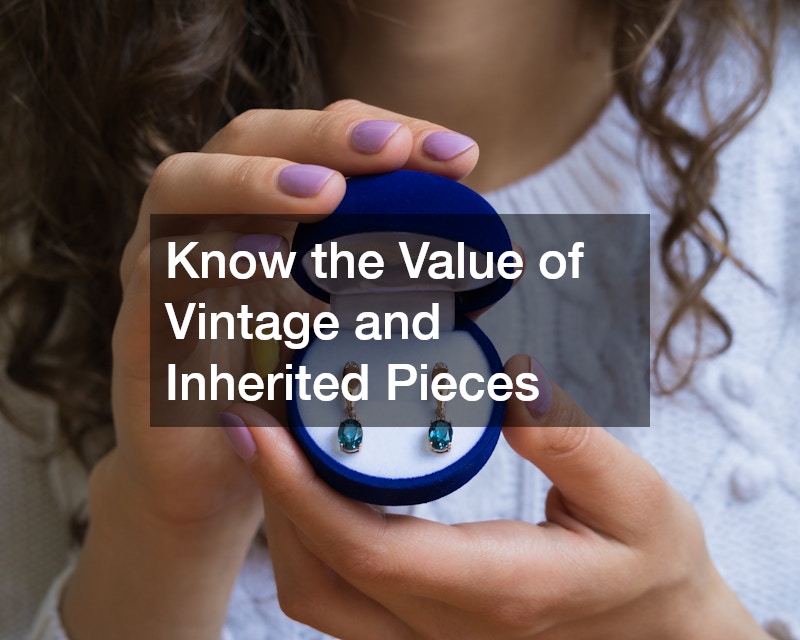
Before donating or reselling an old family piece, it’s worth finding out what it’s actually worth. Antique appraisers can identify whether a vintage brooch, watch, or handbag has real resale or collector value, which helps you make informed decisions about what to keep, sell, or incorporate into your everyday style. Wearing a well-chosen vintage piece can instantly elevate an otherwise simple outfit and adds a layer of story that new items rarely have. This is a budget-conscious way to add distinctive character to your look without buying anything new at all.
Appraisals also protect you from underselling valuable items or overpaying for reproductions at resale shops. If you inherit jewelry, clothing, or accessories, consider getting a professional evaluation before deciding their fate. The results might reveal a hidden gem that becomes the anchor of your entire personal style.
Maintain a Polished Beauty Routine Without Overspending
A signature look isn’t just about clothes, it’s also about how you present your skin, hair, and overall grooming. A skilled cosmetologist can recommend a simplified routine using fewer, higher-quality products rather than an overwhelming collection of items that rarely get used. For example, a good cleanser, a multi-purpose moisturizer with SPF, and one targeted treatment product often deliver better results than a crowded shelf of half-used bottles.
Many salons also offer seasonal promotions or loyalty programs that make regular trims or color touch-ups more affordable over time. Booking a haircut every 8 to 10 weeks instead of monthly, or stretching color appointments with root-touch-up kits in between visits, can cut annual salon spending significantly without sacrificing a polished appearance. Some cosmetologists also offer discounted rates for students, referrals, or off-peak weekday appointments, so it’s worth asking directly about what’s available.
Keeping your hair and skin healthy amplifies the effect of even simple, budget-friendly outfits. Small habits, like using a silk pillowcase to reduce frizz or applying sunscreen daily to prevent premature aging, cost little but pay off in long-term maintenance savings. That kind of polish is what makes you feel just as put-together at a local restaurant reservation as you do running errands, proving that consistency matters more than a large beauty budget.
- Ask about loyalty programs or referral discounts at your regular salon — many offer a free service or 10-20% off after a set number of visits or referred friends
- Schedule maintenance appointments seasonally (every 3 months) rather than reactively, which prevents costly emergency fixes and helps you budget in advance
- Invest in a few multipurpose products instead of many single-use ones, like a tinted moisturizer with SPF or a lip-and-cheek stain that covers multiple steps
- Request professional advice on which treatments actually suit your hair or skin type, so you’re not wasting money on trendy add-ons you don’t need
- Try at-home upkeep between visits, such as root touch-up powder or gloss treatments, to stretch salon appointments further
Consider Skin Treatments That Support Your Look

Confidence is a major part of any signature style, and sometimes that confidence comes from feeling good in your own skin. Med spas often offer treatments like facials, microdermabrasion, or light chemical peels that can be more affordable than people expect, especially when booked during off-peak seasons or as part of introductory packages. These treatments don’t need to be frequent to make a difference, since even quarterly maintenance can noticeably improve skin texture and tone. A clear, healthy complexion often reduces the need for heavy makeup, which can also save money on cosmetics over time.
Recharge Your Confidence Through Everyday Rituals
Looking put-together is easier when you feel emotionally grounded, and small rituals can make a surprising difference. Some people find that talking through stress or major life changes with relationship counselors helps clear mental clutter that otherwise affects motivation, including the energy to get dressed and feel good about it. Others find grounding in simple weekly routines, like tending plants from a local garden center, which offers a low-cost, therapeutic hobby that also beautifies your living space. These small acts of self-care support the confidence that makes any outfit look more intentional.
Treating yourself doesn’t have to mean shopping. Setting aside twenty quiet minutes each morning to stretch, journal, or sip coffee without rushing can be just as restorative as a new outfit. Revisiting a favorite playlist while getting ready, or repotting a new plant from the garden center on a slow Sunday, can offer the same reset. These low-cost experiences build the kind of contentment that radiates outward, which is ultimately what a signature look is all about.
- Schedule regular low-cost self-care activities that don’t involve spending on clothes
- Notice how your mood affects your styling choices on any given day
- Build small rituals, like a weekend walk or a favorite meal, into your routine
- Recognize when stress is driving unnecessary shopping and address the root cause
Building a signature look on a smaller budget is less about restriction and more about intention. By clarifying your style, caring for what you already own, and mixing thoughtful secondhand finds with the occasional new piece, you can create a wardrobe that feels authentic and lasting. Confidence, self-care, and consistency will always do more for your look than a full-price haul ever could. Start small, stay patient, and let your signature style build itself one smart choice at a time.