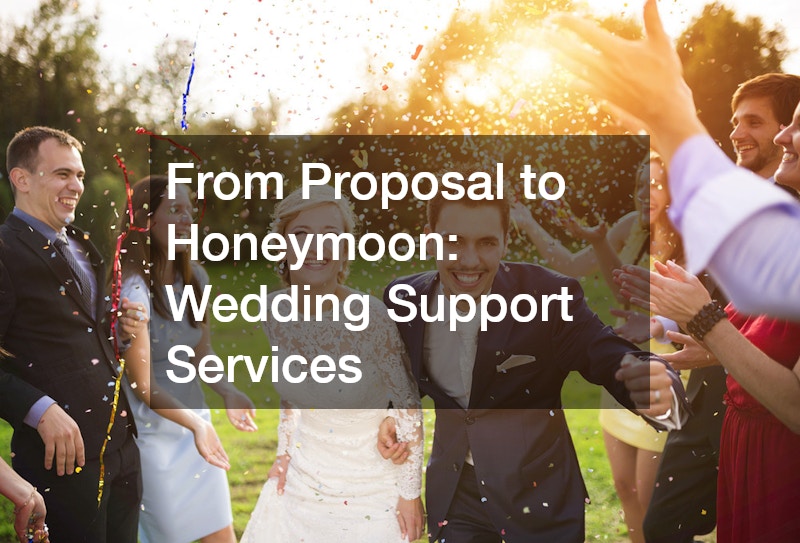
Planning a wedding is more than organizing a single day; it’s a journey that begins long before the proposal and continues well after the last dance. Along the way, couples make countless decisions that affect their finances, health, relationships, and peace of mind. The right support services can remove stress, prevent costly mistakes, and help couples enjoy the process instead of feeling overwhelmed by it.
This guide walks through essential areas where outside expertise can make a meaningful difference. From personal preparation to logistics, lifestyle adjustments, and post-wedding transitions, each section focuses on practical, actionable advice that real couples can apply to their own planning experience.
1. Making the Proposal Meaningful Without Overspending
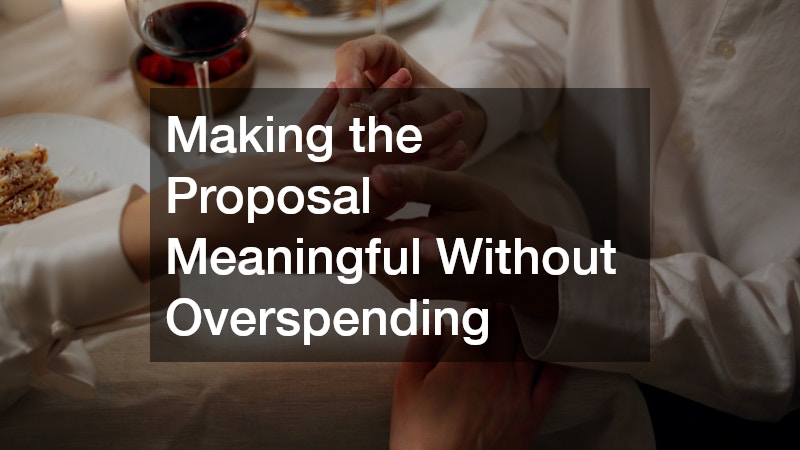
A proposal often sets the emotional tone for the entire engagement, which is why thoughtful planning matters more than extravagance. The goal isn’t to impress others; it’s to create a moment that reflects your shared values and story.
Start by clarifying what makes your partner feel truly seen. Some people value privacy and intimacy, while others enjoy a public celebration. Planning around those preferences ensures the proposal feels authentic rather than performative. Budgeting early also prevents emotional overspending fueled by social media comparisons.
Timing plays a major role as well. Coordinating the proposal with personal milestones, travel plans, or family gatherings can add emotional depth without additional cost. Many couples also overlook the importance of preparation, such as securing photography discreetly or planning what to say ahead of time.
Choosing the right engagement ring should be approached with the same care. Researching styles, metals, and stones in advance can save thousands and avoid rushed decisions. Customization doesn’t always mean higher costs; often, it simply means smarter choices guided by intention rather than pressure.
2. Planning Meals That Fit Your Guests and Your Vision
Food is one of the most memorable aspects of any wedding, and thoughtful planning here can elevate the entire experience. Before choosing menus, couples should assess guest needs, including dietary restrictions, cultural preferences, and event timing.
Working with professional catering services allows couples to balance creativity with logistics. Tasting sessions are not just about flavor; they’re an opportunity to evaluate portion sizes, presentation, and staff professionalism. Asking detailed questions about setup, breakdown, and backup plans can prevent last-minute issues.
Budget-conscious couples can explore alternatives such as brunch receptions, family-style meals, or limited entrée selections. Seasonal ingredients also reduce costs while improving quality. Clear communication with vendors about expectations ensures no surprises on the wedding day.
Another overlooked factor is pacing. Coordinating meal service with speeches, dances, and ceremonies keeps guests engaged and comfortable. A well-fed crowd is a happy crowd, and strategic planning ensures the dining experience supports, not distracts from, the celebration.
3. Ensuring Attire Fits Perfectly Under Any Timeline
Wedding attire often requires months of preparation, yet many couples underestimate how much coordination tailoring demands. Whether altering a gown, suit, or cultural garment, planning early avoids rushed decisions and unnecessary stress.
Having the right sewing supplies on hand, or access to a professional who does, can make a critical difference. Emergency kits with needles, thread, fabric tape, and spare buttons are invaluable on the wedding day itself. Couples should also schedule multiple fittings to accommodate weight fluctuations or design changes.
Custom work requires clear communication. Bringing reference photos, discussing comfort, and confirming timelines helps avoid misunderstandings. Fabric selection also matters; breathable materials improve comfort, especially for outdoor or summer weddings.
Post-wedding considerations matter too. Preserving garments or altering them for future use adds value and sentiment. Treating attire as both an emotional and practical investment leads to better long-term satisfaction.
4. Supporting Appearance Goals Safely and Sustainably
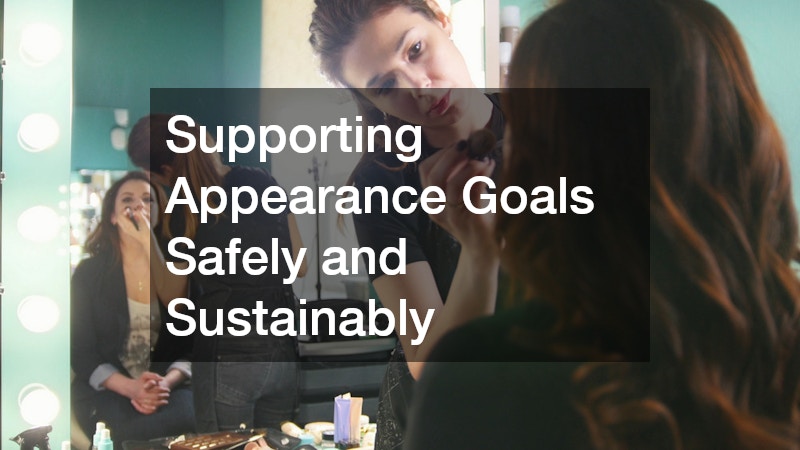
Feeling confident on your wedding day is about more than aesthetics; it’s about health, energy, and self-assurance. Many couples set personal wellness goals during engagement, but extreme or rushed approaches often backfire.
Consulting qualified weight loss doctors helps individuals pursue realistic, medically sound plans rather than unsafe trends. Personalized guidance accounts for metabolism, lifestyle, and stress levels common during wedding planning. Sustainable changes produce better results than short-term fixes.
Consistency matters more than intensity. Balanced nutrition, moderate activity, and proper sleep all contribute to visible improvements over time. Couples can also support each other by setting shared goals that promote accountability without pressure.
Confidence grows when expectations align with reality. Focusing on feeling strong and healthy ensures the wedding day is remembered for joy, not exhaustion or discomfort.
5. Addressing Hair Concerns Well Before the Big Day
Hair plays a significant role in personal confidence, especially during high-visibility moments like weddings. Addressing concerns early provides more options and better outcomes.
Consulting a hair restoration specialist allows individuals to explore solutions ranging from topical treatments to advanced procedures. Early intervention is key, as many treatments require months to show results. Professional assessments prevent wasted time and money on ineffective products.
Even minor changes, such as improving scalp health or adjusting styling techniques, can make a noticeable difference. Trials with stylists ensure that wedding-day looks complement any ongoing treatments.
Confidence comes from preparation. Proactively managing hair concerns eliminates last-minute anxiety and allows couples to focus fully on the celebration itself.
6. Managing Pet Care Without Added Stress
For couples with pets, wedding planning introduces unique logistical challenges. Pets still need care, attention, and routine, even during celebrations and travel.
Arranging reliable doggy daycare services ensures pets are safe and comfortable while owners focus on their wedding events. Visiting facilities in advance helps confirm cleanliness, supervision standards, and compatibility with your pet’s temperament.
Some couples incorporate pets into ceremonies, which requires additional planning. Backup care arrangements are essential in case weather, schedules, or stress make participation impractical.
Knowing pets are well cared for provides peace of mind. Thoughtful planning here prevents guilt and distractions during what should be a joyful experience.

7. Creating Unique Pre-Wedding and Post-Wedding Experiences
Weddings often extend beyond a single day, with events like bachelor parties, rehearsal dinners, or mini-moons. Choosing distinctive experiences can make these moments unforgettable and give guests opportunities to connect in more relaxed, meaningful ways.
Exploring boat rentals opens opportunities for intimate gatherings or scenic celebrations. Whether hosting a sunset cruise or a relaxed group outing, water-based experiences feel special without requiring elaborate planning. These settings naturally create memorable backdrops for conversation, photos, and shared laughter.
Safety and logistics matter. Confirming capacity limits, weather policies, and insurance coverage avoids complications. Coordinating transportation and timing ensures guests enjoy the experience stress-free and fully present.
Unique settings encourage connection. Stepping outside traditional venues helps guests unwind, interact more naturally, and create shared memories that often stand out long after the wedding festivities have ended.
8. Furnishing a Shared Home Without Financial Strain
After the wedding, many couples transition into shared living spaces that require practical furnishing decisions. Whether moving into a new home or blending two households, this phase often comes with both excitement and financial responsibility. Balancing style, comfort, and budget is essential, especially when wedding-related expenses may still be settling.
Shopping strategically for discount furniture allows couples to focus on essential pieces without compromising quality. Looking beyond price tags and assessing construction, materials, and durability helps avoid replacements that cost more in the long run. Floor models, outlet stores, and clearance sales often offer well-made items at significantly reduced prices, making it easier to furnish a home efficiently.
Planning purchases gradually also reduces financial strain. Instead of furnishing every room at once, couples can prioritize high-use areas such as bedrooms and living spaces. This phased approach creates room in the budget while allowing time to better understand how the space will be used day to day. Starting with multifunctional pieces, like storage beds, expandable tables, or modular seating, adds flexibility as needs evolve.
A thoughtfully furnished home supports daily routines and shared comfort. Making intentional decisions together encourages communication and compromise, reinforcing teamwork beyond the wedding. When furnishing reflects shared priorities rather than impulse buys, the result is a space that feels cohesive, functional, and welcoming, helping the post-wedding transition feel grounded and enjoyable rather than overwhelming.
9. Coordinating Logistics for Gifts and Large Items
Weddings generate physical items such as gifts, décor, rentals, signage, and personal belongings that require careful temporary storage and thoughtful coordination. Without a clear system in place, these items can quickly become disorganized, damaged, or misplaced during the hectic days surrounding the event. Poor planning in this area often leads to last-minute stress, rushed decisions, and unnecessary costs that distract from the celebration itself.
Partnering with warehouse storage and distribution providers can greatly simplify logistics, especially for larger weddings, multi-day events, or destination celebrations. Secure storage facilities protect valuable items before and after the event, while professional handling reduces the risk of breakage or loss. Coordinated delivery schedules ensure décor, rentals, and supplies arrive exactly when needed, eliminating the burden of managing multiple drop-offs and pickups.
Creating detailed inventories and timelines is equally important. Documenting what items exist, where they are stored, and when they need to be moved creates clarity for everyone involved. Clear labeling, photographs, and written instructions help vendors and helpers identify items quickly during setup and teardown. Assigning a trusted point person to oversee logistics further streamlines communication.
Efficient logistics planning allows couples to stay present on their wedding day. When storage and transportation are handled seamlessly, attention can remain on meaningful moments rather than troubleshooting missing items or logistical errors.
10. Navigating Family Dynamics and Tough Decisions
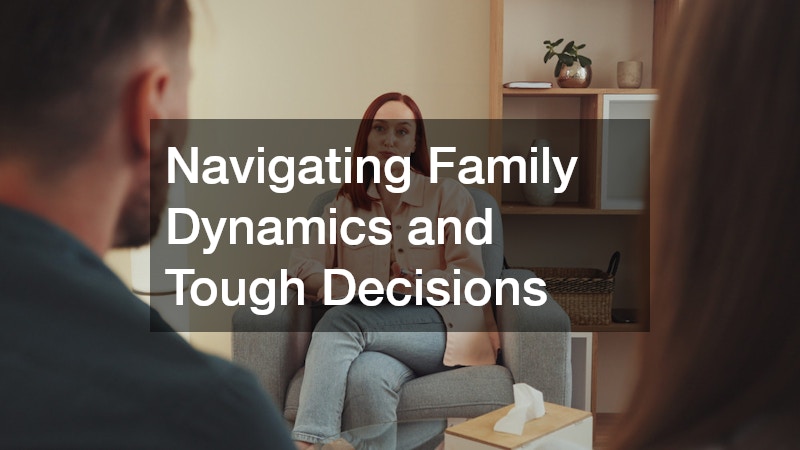
Weddings can surface emotional challenges, especially when families bring differing expectations, traditions, or unresolved conflicts into the planning process. Longstanding family dynamics often resurface during major life events, making even small decisions feel charged with emotion. Addressing these issues constructively is essential not only for preserving relationships but also for protecting the couple’s mental and emotional well-being throughout the planning journey.
Working with a professional mediator can provide structure and neutrality during sensitive discussions. A trained third party helps keep conversations focused on solutions rather than emotions, allowing all sides to feel heard without letting disagreements spiral into lasting resentment. This type of support is especially valuable when navigating finances, guest lists, cultural traditions, or decision-making authority, where emotions and expectations can easily clash.
Setting boundaries early prevents conflicts from escalating later. Clear agreements about who has input, what decisions are non-negotiable, and where compromise is possible create a framework for smoother communication. These boundaries also help families understand their role, reducing confusion and unintended pressure.
Open communication grounded in respect keeps planning collaborative rather than contentious. Couples who approach difficult conversations as a united team reinforce trust and mutual support. Emotional clarity strengthens partnerships, and managing challenges thoughtfully allows couples to begin marriage on stable, unified ground, equipped with conflict-resolution skills that will serve them well beyond the wedding day.
From the earliest moments of commitment to the start of married life, thoughtful support can transform wedding planning from overwhelming to empowering. What often feels like a long checklist of decisions is, in reality, a series of opportunities to learn how to communicate, prioritize, and make choices together. When couples approach planning with the right resources and guidance, the process becomes less about pressure and more about alignment.
Each stage brings its own challenges, whether emotional, logistical, or financial. Early decisions can set the tone for everything that follows, while later details often test patience and flexibility. With the right support in place, these moments stop feeling like obstacles and begin to become opportunities to strengthen trust and collaboration. Guidance from experienced professionals, along with realistic planning, helps couples avoid common pitfalls and unnecessary stress.
Planning also creates space for enjoyment. Instead of reacting to problems as they arise, couples who prepare thoughtfully can stay present and engaged throughout the experience. This presence allows them to appreciate small milestones along the way, from shared accomplishments to meaningful conversations.
Seeking help where it matters most isn’t a sign of weakness; it’s a strategy for long-term success. By leaning on expertise and planning with purpose, couples can shift their focus away from stress and toward what truly matters: celebrating their partnership and confidently stepping into the life they are building together.